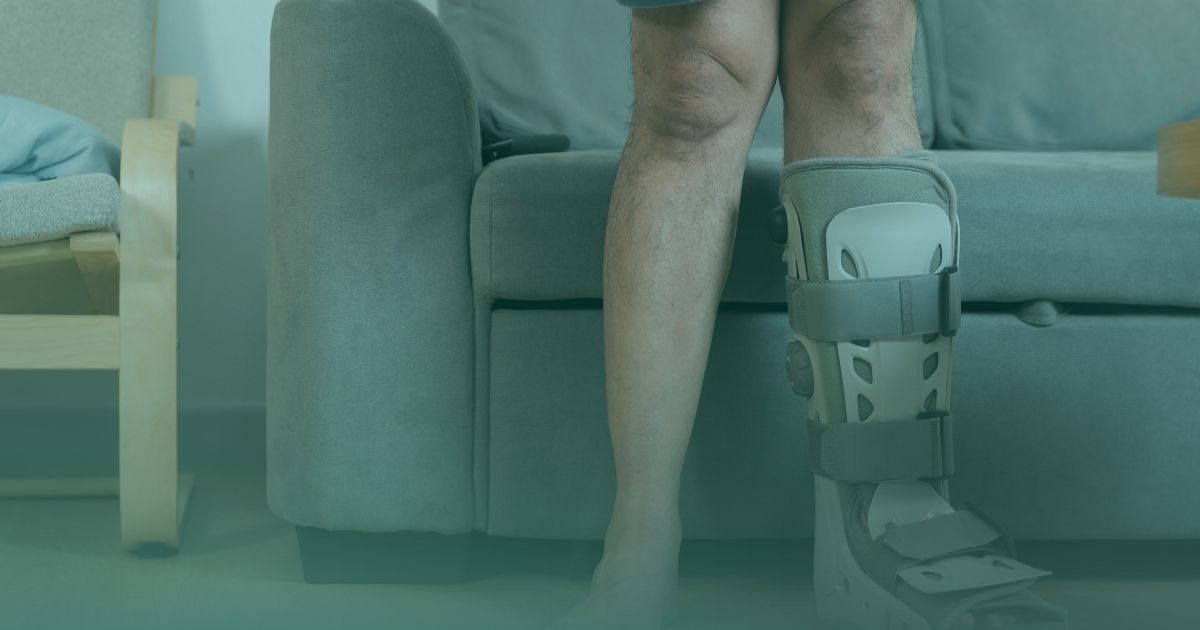
Orthopedic recovery has traditionally relied on periodic clinic visits, physical examinations, and patient self-reporting. While these methods remain essential, advances in wearable technology are transforming how physicians monitor recovery between appointments. From smartwatches to sensor-equipped braces, wearable devices are providing clinicians with objective, continuous data that may help improve rehabilitation and personalize patient care.
The Rise of Wearable Technology
Modern wearable devices can monitor a variety of health metrics, including step count, walking speed, range of motion, heart rate, sleep quality, and physical activity. In orthopedics, these measurements offer valuable insight into how patients recover following surgery or musculoskeletal injury.
Rather than relying solely on a patient's recollection of symptoms or activity level, clinicians can review objective data that reflects daily function in real-world settings.
Improving Postoperative Rehabilitation
Recovery following orthopedic procedures depends not only on surgical success but also on adherence to rehabilitation protocols. Wearable devices can help patients and clinicians track progress throughout the recovery process.
For example, activity monitors may identify patients who are progressing more slowly than expected or those who may be advancing activity too rapidly. Early recognition of these patterns allows rehabilitation plans to be adjusted before complications develop.
Digital monitoring may also encourage patient engagement by providing measurable milestones throughout recovery.
Supporting Research Through Real-World Data
One of the greatest strengths of wearable technology is its ability to collect large amounts of continuous data outside of the clinical environment.
Traditional clinical studies often rely on scheduled follow-up visits, which provide only brief snapshots of recovery. Wearable devices offer a more complete picture by capturing activity patterns over weeks or months.
For orthopedic researchers, this information may improve understanding of functional recovery, rehabilitation adherence, and long-term outcomes following surgery.
Challenges and Limitations
Despite their promise, wearable technologies have important limitations.
Not all commercially available devices have been validated for orthopedic applications, and measurements may vary between manufacturers. Patient compliance, battery life, data privacy, and integration with electronic medical records also remain ongoing challenges.
Importantly, wearable data should complement, not replace, clinical evaluation and patient-reported outcomes.
The Future of Digital Orthopedics
As wearable sensors become more sophisticated, future applications may include monitoring joint motion after ligament reconstruction, identifying early gait abnormalities following joint replacement, and detecting subtle changes that could indicate postoperative complications.
Combined with advances in artificial intelligence and remote patient monitoring, wearable technology may support more personalized rehabilitation programs while improving communication between patients and their healthcare teams.
Conclusion
Wearable technology represents an exciting development in orthopedic medicine by extending patient monitoring beyond the clinic. Although additional research is needed to establish standardized applications, these devices have the potential to improve rehabilitation, enhance clinical research, and support more individualized patient care.
As orthopedic medicine continues to embrace digital innovation, wearable technology may become an increasingly valuable tool for both clinicians and researchers seeking to improve musculoskeletal outcomes.