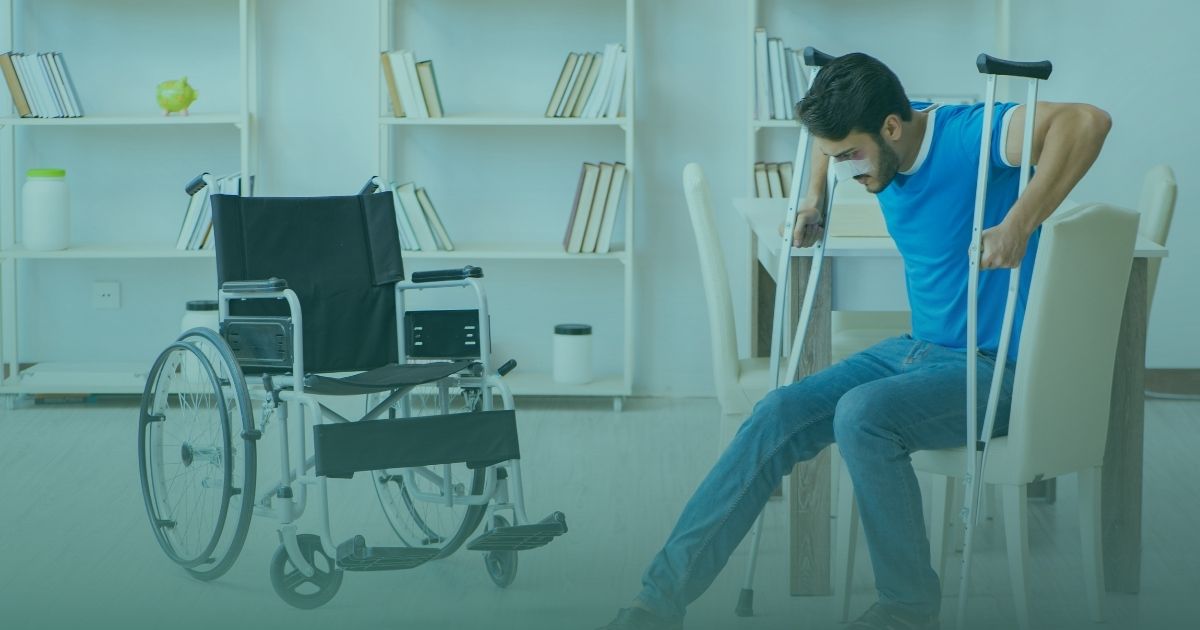
For athletes recovering from orthopedic surgery, one of the most important questions is often simple: when can I return to playing?
Whether recovering from an anterior cruciate ligament (ACL) reconstruction, shoulder stabilization procedure, or fracture repair, athletes frequently view returning to sport as the ultimate measure of surgical success.
However, returning to physical activity does not necessarily mean an athlete has fully recovered. Increasingly, orthopedic researchers are emphasizing the importance of objective functional testing, psychological readiness, and individualized rehabilitation when determining whether an athlete can safely resume competition.
Why Recovery Timelines Are Not Enough
Traditionally, return-to-sport decisions have often relied on the amount of time elapsed since surgery.
For example, athletes recovering from ACL reconstruction may follow rehabilitation programs lasting several months before being considered for unrestricted athletic participation.
However, recovery does not occur at the same rate for every patient.
Two athletes undergoing identical procedures may demonstrate very different levels of strength, balance, coordination, and confidence at the same postoperative time point.
This variability has encouraged a shift toward criteria-based rehabilitation rather than relying exclusively on predetermined timelines.
The Importance of Functional Testing
Functional testing allows clinicians to evaluate whether an athlete has regained the physical abilities required for their sport.
Common assessments include:
- Muscle strength measurements
- Single-leg hop testing
- Balance and stability assessments
- Range-of-motion evaluations
- Movement quality and landing mechanics
- Sport-specific performance testing
These assessments help identify deficits that may not be apparent during routine clinical examinations.
For example, an athlete may report minimal pain and demonstrate normal walking ability while continuing to experience significant strength differences between the injured and uninjured limbs.
Identifying these limitations before returning to competition may help reduce the risk of additional injury.
Psychological Readiness Matters
Physical recovery represents only one component of returning to sport.
Athletes may experience fear of reinjury, reduced confidence, or hesitation when performing movements associated with their original injury.
These psychological factors can influence athletic performance and willingness to return to competition, even when physical rehabilitation milestones have been achieved.
Researchers have increasingly incorporated psychological readiness assessments into postoperative evaluations.
Understanding an athlete's confidence, motivation, and perceived readiness can provide valuable information that traditional physical examinations may overlook.
The Risk of Returning Too Early
Returning to competitive sports before adequate recovery may increase the risk of reinjury, particularly in activities involving cutting, pivoting, jumping, and sudden changes in direction.
Research involving ACL reconstruction has highlighted the relationship between return-to-sport timing, functional recovery, and subsequent knee injuries.
However, delaying return alone does not guarantee safety. Athletes must also demonstrate sufficient strength, movement control, and sport-specific readiness.
This emphasizes the importance of individualized decision-making rather than using a single recovery timeline for every patient.
Rehabilitation Should Reflect the Athlete's Sport
Different sports place different demands on the musculoskeletal system.
A basketball player recovering from knee surgery must regain the ability to jump, land, accelerate, and change direction repeatedly.
A baseball pitcher recovering from shoulder surgery requires restoration of throwing mechanics, shoulder stability, and upper-extremity endurance.
Meanwhile, a distance runner may require a rehabilitation program emphasizing repetitive loading, lower-extremity strength, and gradual increases in running volume.
Sport-specific rehabilitation allows clinicians to prepare athletes for the actual physical demands they will encounter when returning to competition.
The Role of Research in Improving Return-to-Sport Decisions
Orthopedic researchers continue to investigate which rehabilitation milestones are most strongly associated with successful return to sport and lower reinjury rates.
Areas of ongoing investigation include:
- Objective strength and functional testing
- Psychological readiness assessments
- Biomechanical movement analysis
- Wearable technology for monitoring activity
- Long-term reinjury rates
- Differences in recovery across sports and surgical procedures
By combining these measurements, researchers hope to develop more reliable methods for determining when athletes are ready to resume participation.
Conclusion
Returning to sport after orthopedic surgery is a complex process that extends beyond pain relief and the passage of time.
Successful recovery requires restoration of physical function, confidence, movement quality, and the ability to meet sport-specific demands.
For clinicians and medical students, return-to-sport research highlights an important shift in orthopedic medicine: treatment success should not be measured solely by whether an athlete returns to competition, but also by how safely and effectively they return.
Continued research into rehabilitation and functional outcomes will help clinicians make more informed decisions, reduce the risk of reinjury, and support athletes in returning to the activities they enjoy.