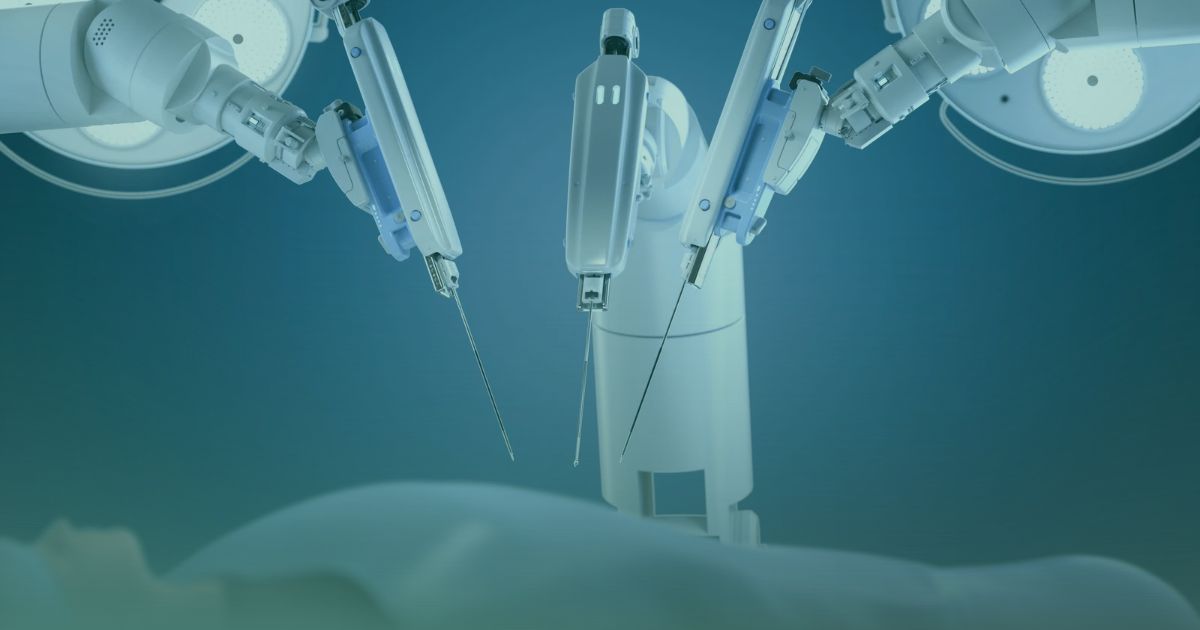
Spine surgery has changed significantly over the past several decades. Procedures that once required extensive surgical exposure can increasingly be performed using smaller incisions, specialized instruments, advanced imaging, and minimally invasive techniques.
For patients, the appeal is easy to understand: less tissue disruption, potentially less postoperative pain, and a faster recovery. However, an important question remains: do minimally invasive techniques actually produce better outcomes than traditional open spine surgery?
What Is Minimally Invasive Spine Surgery?
Minimally invasive spine surgery (MISS) refers to a group of surgical techniques designed to reach the spine while limiting disruption of the surrounding muscles and soft tissues.
Rather than creating a large surgical exposure, surgeons may use small incisions, tubular retractors, specialized instruments, and image guidance to access the affected area.
Minimally invasive approaches can be used for several procedures, including:
- Lumbar decompression
- Discectomy
- Spinal fusion
- Placement of pedicle screws and other instrumentation
- Treatment of selected spinal deformities
The appropriate technique depends on the patient’s diagnosis, anatomy, previous surgeries, and the complexity of the procedure.
Why Preserving Soft Tissue Matters
Traditional open spine surgery may require significant retraction or dissection of the muscles surrounding the spine. Although this exposure provides surgeons with excellent visualization, greater disruption of the surrounding tissues can contribute to postoperative pain and recovery time.
Minimally invasive techniques attempt to reduce this disruption.
Potential benefits may include:
- Smaller surgical incisions
- Reduced muscle injury
- Lower intraoperative blood loss
- Less postoperative pain in selected patients
- Shorter hospital stays
- Earlier return to normal activities
These potential advantages have made minimally invasive techniques an important area of spine surgery research.
Technology Is Expanding What Surgeons Can Do
Modern minimally invasive spine surgery depends heavily on advances in surgical technology.
Intraoperative imaging and navigation can help surgeons identify spinal anatomy and accurately position instrumentation through smaller surgical exposures. Some centers are also incorporating robotic-assisted technology to assist with surgical planning and instrumentation placement.
These technologies are particularly important because minimally invasive surgery may provide surgeons with less direct visualization of anatomy than traditional open approaches.
The goal is not simply to make an incision smaller. Instead, technology is being used to perform complex procedures accurately while minimizing unnecessary tissue disruption.
Does Minimally Invasive Surgery Improve Outcomes?
Research comparing minimally invasive and open spine procedures has produced encouraging results, particularly for certain lumbar procedures.
Studies have reported potential reductions in blood loss, hospital length of stay, and early postoperative pain with minimally invasive approaches. However, long-term outcomes can be more complicated.
For many procedures, both minimally invasive and traditional open techniques can produce substantial improvements in pain and function when performed in appropriately selected patients.
This highlights an important principle in orthopedic surgery: a newer or less invasive technique is not automatically better for every patient.
Patient Selection Remains Critical
Not every spinal condition can or should be treated using a minimally invasive approach.
Complex deformities, extensive spinal instability, revision procedures, or certain patterns of nerve compression may require broader surgical exposure.
Surgeons must consider several factors when determining the appropriate approach, including:
- Location and severity of spinal disease
- Number of spinal levels involved
- Previous spine surgery
- Bone quality
- Patient anatomy
- Medical comorbidities
- Surgeon experience
The best surgical approach is ultimately the one that safely addresses the patient’s underlying condition while providing the greatest opportunity for a successful outcome.
The Importance of Long-Term Research
Many studies of minimally invasive spine surgery focus on short-term outcomes such as blood loss, postoperative pain, and hospital length of stay.
These outcomes are important, but long-term research is equally necessary.
Researchers must continue evaluating questions such as:
- Are improvements in pain maintained years after surgery?
- Are fusion rates comparable between techniques?
- Does minimally invasive surgery reduce long-term complications?
- How frequently do patients require revision surgery?
- Are the additional technologies involved cost-effective?
Long-term clinical data will help determine where minimally invasive techniques provide meaningful advantages rather than simply technical ones.
Conclusion
Minimally invasive spine surgery represents an important evolution in orthopedic and spine care. By combining smaller surgical exposures with advanced imaging, navigation, and specialized instrumentation, surgeons may be able to reduce tissue disruption while still effectively treating spinal disease.
However, smaller incisions alone do not define successful surgery.
For clinicians and medical students, the key takeaway is that surgical innovation must ultimately be evaluated by meaningful patient outcomes. Continued research comparing minimally invasive and traditional approaches will help determine which techniques provide the safest and most effective care for each patient.