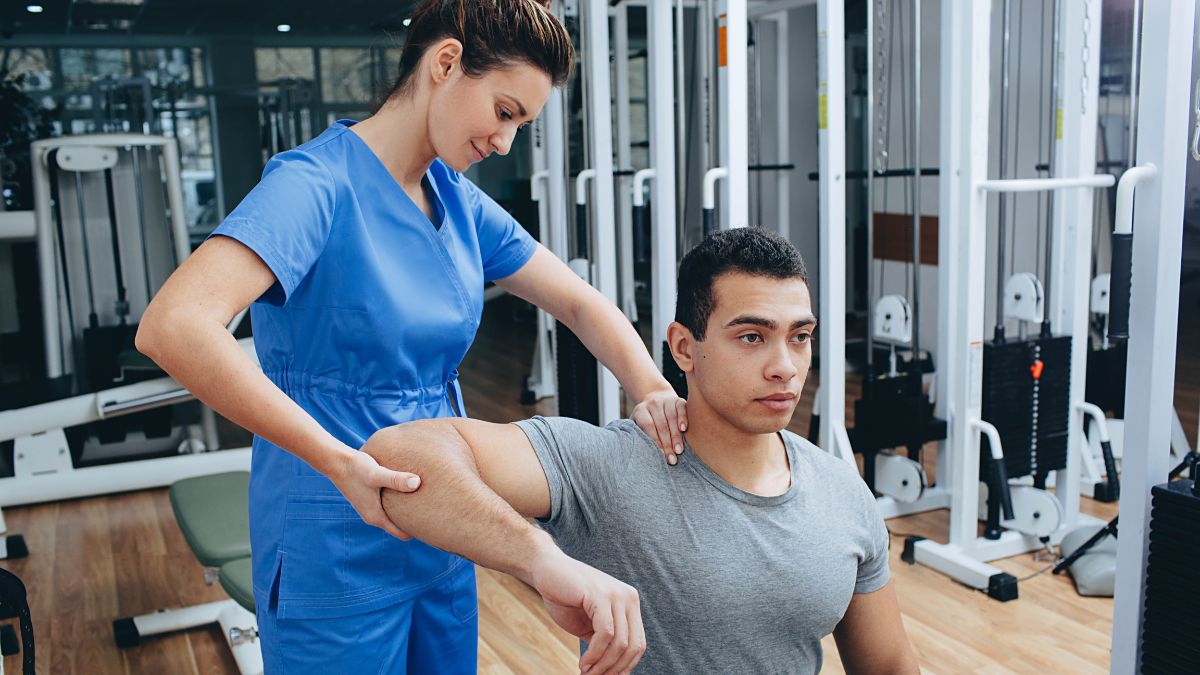
Athletes rely heavily on shoulder strength, stability, and mobility to perform at high levels. However, the same repetitive movements and high-impact demands that support athletic performance can also lead to chronic shoulder damage. Over time, conditions such as glenohumeral osteoarthritis, rotator cuff tears, and post-traumatic joint degeneration may develop—sometimes progressing to the point where joint replacement becomes the most effective treatment.
In Shoulder Arthroplasty in the Active Athlete, a chapter from Shoulder Injuries and Treatment authors Neal Krentz, Benjamin Sanderford, Kelly Wolfe, and Andrew Ames examine how modern shoulder arthroplasty techniques are helping active individuals return to pain-free movement and recreational sports.
As orthopedic research advances, shoulder replacement is no longer viewed solely as a procedure for older or sedentary patients. Instead, it has become an increasingly viable option for athletes who wish to remain active later in life.
Why Athletes Develop Advanced Shoulder Damage
The shoulder is the most mobile joint in the human body, allowing the extensive range of motion required for sports such as baseball, tennis, swimming, volleyball, and weightlifting. This mobility, however, also places the joint at risk.
Athletes frequently experience cumulative stress from:
- Repetitive overhead movements
- High-velocity throwing mechanics
- Prior instability or dislocations
- Traumatic sports injuries
- Previous shoulder surgeries
Over time, these factors may cause progressive cartilage wear and joint degeneration. When non-surgical treatments, such as physical therapy, anti-inflammatory medications, or injections, no longer relieve symptoms, shoulder arthroplasty may be considered to restore function and alleviate pain.
For active patients, treatment goals extend beyond pain relief. Surgeons must also consider long-term joint durability and the patient’s ability to return to physical activity.
Surgical Options for Shoulder Arthroplasty
Several types of shoulder replacement procedures are used depending on the patient’s age, activity level, and the condition of the rotator cuff.
Total Shoulder Arthroplasty (TSA)
Total shoulder arthroplasty replaces both the humeral head and the glenoid surface of the joint. This procedure is typically recommended for patients with advanced osteoarthritis and an intact rotator cuff.
TSA is widely considered the gold standard for restoring joint function and relieving pain. Many patients experience substantial improvements in shoulder mobility and quality of life following surgery.
Clinical studies have shown high patient satisfaction rates and strong functional outcomes following total shoulder arthroplasty, particularly among individuals who participate in low-impact sports.
Subscribe to our newsletter for monthly orthopedic insights, rehabilitation tips, and upcoming event updates.
Hemiarthroplasty
Hemiarthroplasty involves replacing only the humeral head while preserving the natural glenoid. This approach may be considered in younger or highly active patients in order to conserve bone stock and reduce the risk of future revision surgery.
However, the native glenoid remains subject to ongoing stress. In some patients, progressive glenoid wear can eventually limit long-term outcomes.
Reverse Shoulder Arthroplasty (RSA)
Reverse shoulder arthroplasty is used when the rotator cuff is severely damaged or irreparable. The procedure reverses the normal ball-and-socket anatomy of the shoulder joint, allowing the deltoid muscle to compensate for the deficient rotator cuff.
Although historically performed primarily in older patients, RSA is increasingly used in select active individuals when other surgical options are not feasible.
Returning to Sport After Shoulder Replacement
One of the most common questions athletes ask before surgery is whether they will be able to return to their sport. Encouragingly, research suggests that many patients successfully resume recreational activities following shoulder arthroplasty.
Studies have reported that a majority of patients return to at least one sport after surgery, with the highest success rates seen in lower-impact activities such as:
- Golf
- Swimming
- Cycling
- Strength training
- Recreational fitness programs
These sports place less repetitive stress on the joint replacement while still allowing patients to maintain an active lifestyle.
However, surgeons often advise caution with high-impact or collision sports, including football, heavy powerlifting, or activities involving repetitive overhead throwing. These movements may increase the risk of implant wear, instability, or long-term complications.
Individual outcomes depend on several factors, including surgical technique, implant positioning, soft-tissue integrity, and adherence to rehabilitation protocols.
The Critical Role of Rehabilitation
Surgery alone does not guarantee a successful outcome. Postoperative rehabilitation is a key factor in restoring shoulder strength and mobility.
Most rehabilitation programs progress through several phases:
Early Recovery (0–6 weeks)
Focus on protecting the surgical repair while gradually restoring passive range of motion.
Intermediate Phase (6–12 weeks)
Patients begin active movement exercises and light strengthening to rebuild shoulder stability.
Advanced Strengthening (3–6 months)
Strength and endurance training improves neuromuscular control and prepares patients for higher-level activity.
Return to Sport (6 months and beyond)
Athletes gradually resume sport-specific movements and training under clinical guidance.
A carefully structured rehabilitation program can significantly improve functional outcomes and reduce the risk of reinjury.
The Future of Shoulder Arthroplasty in Active Populations
Advances in orthopedic technology continue to expand the possibilities for athletes undergoing shoulder replacement surgery. Innovations currently shaping the field include:
- More durable implant materials
- Improved implant designs that preserve bone and joint mechanics
- Patient-specific surgical planning and instrumentation
- Rehabilitation protocols tailored to athletic performance
As research continues, surgeons are gaining a better understanding of how shoulder arthroplasty can support long-term athletic activity while preserving joint health.
For many active patients with severe shoulder degeneration, modern shoulder replacement surgery offers an opportunity to regain mobility, reduce pain, and return to the activities they enjoy.
Learn more about our research at detroitorthoresearch.org/research and sign up for our newsletter to stay updated on surgical innovations and resident achievements.