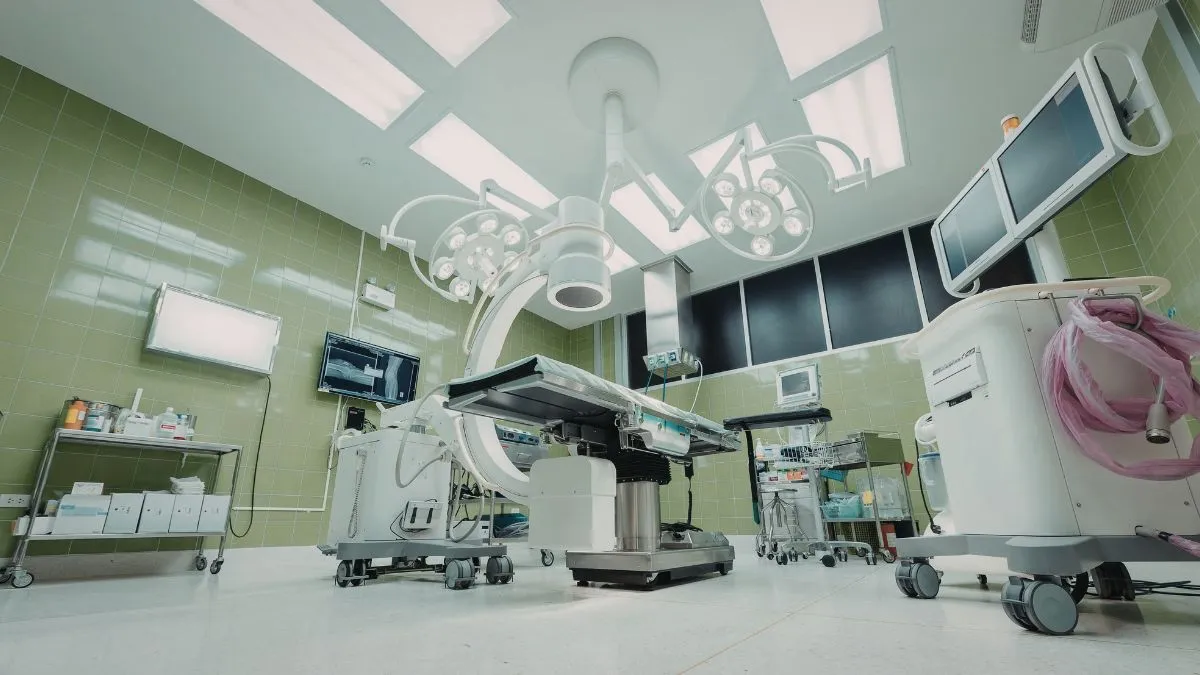
Orthopedic surgery continues to advance through rigorous scientific inquiry and translational research aimed at improving musculoskeletal outcomes. Innovations in surgical techniques, biologic therapies, imaging, and implant design are reshaping clinical practice and reinforcing the importance of sustained investment in orthopedic research.
Advances in Minimally Invasive and Image-Guided Surgery
Research-driven refinement of minimally invasive orthopedic procedures has led to measurable improvements in perioperative outcomes. Enhanced arthroscopic techniques, computer-assisted navigation, and intraoperative imaging have increased surgical precision while reducing soft-tissue disruption. These advances support faster recovery, reduced complication rates, and improved functional outcomes across joint, spine, and sports medicine procedures.
Progress in Regenerative Orthopedic Medicine
Regenerative medicine represents a growing area of orthopedic research, with ongoing investigations into biologic therapies such as platelet-rich plasma, mesenchymal stem cells, and tissue-engineered constructs. Current studies focus on optimizing delivery methods, understanding cellular mechanisms, and establishing evidence-based indications for biologic interventions in cartilage repair, tendon pathology, and bone healing.
Advanced Imaging, Analytics, and Predictive Modeling
Technological advances in imaging and data science have expanded diagnostic and prognostic capabilities in orthopedic surgery. High-resolution imaging modalities, three-dimensional modeling, and machine-learning algorithms are increasingly used to support preoperative planning and outcome prediction. These tools enhance clinical decision-making and contribute to more personalized treatment strategies grounded in quantitative analysis.
Innovation in Joint Replacement and Implant Technology
Orthopedic research continues to inform advancements in joint arthroplasty through improved implant materials, surface coatings, and patient-specific designs. Robotic-assisted and computer-guided techniques are being evaluated for their impact on implant alignment, survivorship, and long-term function. Ongoing clinical studies aim to define best practices and optimize outcomes for patients with degenerative joint disease.
Research Training and Academic Development in Orthopedic Surgery
The future of orthopedic innovation depends on the development of surgeon-scientists equipped to conduct high-quality research. Orthopedic surgery research foundations play a critical role in supporting resident and fellow research training, fostering mentorship, and promoting scholarly productivity. Early engagement in research strengthens methodological rigor and encourages sustained academic contribution throughout a surgeon’s career.
The Role of Orthopedic Research Foundations
Orthopedic surgery research foundations provide essential infrastructure for advancing clinical and translational research. Through funding support, interdisciplinary collaboration, and dissemination of peer-reviewed findings, these organizations accelerate the translation of scientific discovery into clinical practice. Their work supports continuous improvement in orthopedic care and contributes to the broader body of musculoskeletal research.
Continued commitment to orthopedic research is essential for advancing surgical innovation, improving patient outcomes, and strengthening evidence-based practice. Academic collaboration and sustained funding remain central to progress in orthopedic surgery.